

You just got your loved one out of Orient Road Jail in Tampa. Or maybe Falkenburg. Or a facility in Daytona Beach. The relief is real.
But now what?
Getting released on bail isn't the end of the story. It's actually the beginning of a process that requires attention, follow-through, and some basic knowledge about what comes next.
This guide breaks down everything you need to know about court dates, responsibilities, and how to navigate the weeks (or months) ahead without adding more stress to an already difficult situation.
Your First Court Date: The Arraignment
Within days or weeks of release, there will be a first court appearance called an arraignment. This is mandatory.
What happens at an arraignment:
- The judge reads the charges out loud
- You (or your loved one) enter a plea: guilty, not guilty, or no contest
- The judge asks about legal representation
- A trial date or next hearing gets scheduled
- Bond conditions may be reviewed or modified
What to bring:
- Valid photo ID
- Any paperwork from the jail or bail bondsman
- A notepad to write down important dates
- Your attorney's contact info (if you have one)
What NOT to do:
- Show up late
- Dress inappropriately (no shorts, tank tops, or hats)
- Argue with the judge
- Miss it entirely
Missing your arraignment is the fastest way to get a failure to appear warrant issued. We'll talk about that in a minute.
Your Key Responsibilities After Release
Let's be clear: being out on bail comes with strings attached. These aren't suggestions. They're legal requirements.
You must:
- Attend every court date. Every single one. No exceptions.
- Follow all bond conditions. This might include staying in the county, avoiding certain people, or checking in with a pretrial services officer.
- Stay out of trouble. Getting arrested again while out on bond is a fast track to having bail revoked.
- Keep your bondsman updated. If you move, change your phone number, or have any major life changes, let us know. We're on your side, but we need to stay in the loop.
- Hire an attorney (if you haven't already). Seriously. Don't try to navigate this alone.
Bond conditions vary by case, but common ones include:
- No contact with alleged victims or witnesses
- No possession of firearms
- Regular check-ins with pretrial services
- Drug or alcohol testing
- Travel restrictions
- Electronic monitoring (ankle monitor)
If you're unsure what your specific conditions are, ask. Call your attorney. Call us. Call the court clerk. Don't guess.
What Happens If You Miss Court?
Let's talk about the worst-case scenario: failure to appear (FTA).
If you miss a court date, even by accident, here's what happens:
- The judge issues a bench warrant for your arrest
- Your bail gets revoked
- You can be arrested at any time (traffic stop, at home, at work)
- You may face additional criminal charges for failure to appear
- Your bondsman (that's us) is now on the hook financially
For families who used a bondsman in Tampa, Daytona Beach, or anywhere in Florida: if your loved one skips court, the bond company has to pay the full bail amount to the court. That's why bond agreements include clauses allowing the bondsman to locate and return the defendant.
We don't want that. You don't want that. Nobody wins.
If you realize you're going to miss court:
- Call your attorney immediately
- Call us (your bondsman) right away
- Contact the court clerk to explain the situation
- Be prepared to provide documentation (medical emergency, car accident, etc.)
Sometimes judges will reschedule if there's a legitimate emergency. But you have to communicate before the missed date, not after.

The Full Court Timeline (What Comes After Arraignment)
Every case is different, but here's a general roadmap of what happens in Florida criminal cases:
Arraignment (Week 1–3 after release)
First appearance. Plea entered. Next date scheduled.
Pre-Trial Hearings (Weeks/Months 2–6)
Your attorney and the prosecutor exchange evidence, discuss plea deals, and file motions. You may have multiple hearings during this phase.
Plea Bargain or Trial Prep
Most cases don't go to trial. Many resolve through plea agreements. If your case does go to trial, expect significant preparation time.
Trial (If applicable)
For felony cases in Florida, trials typically happen within 180 days of arraignment, though delays are common.
Sentencing (If convicted)
If there's a guilty verdict or plea, the judge schedules a sentencing hearing to determine punishment.
Important note: These timelines can stretch longer depending on case complexity, witness availability, and court backlogs. Patience is required.
Tips for Staying on Track During the Process
This part is stressful. No sugarcoating it. Here's how to make it more manageable:
1. Write everything down.
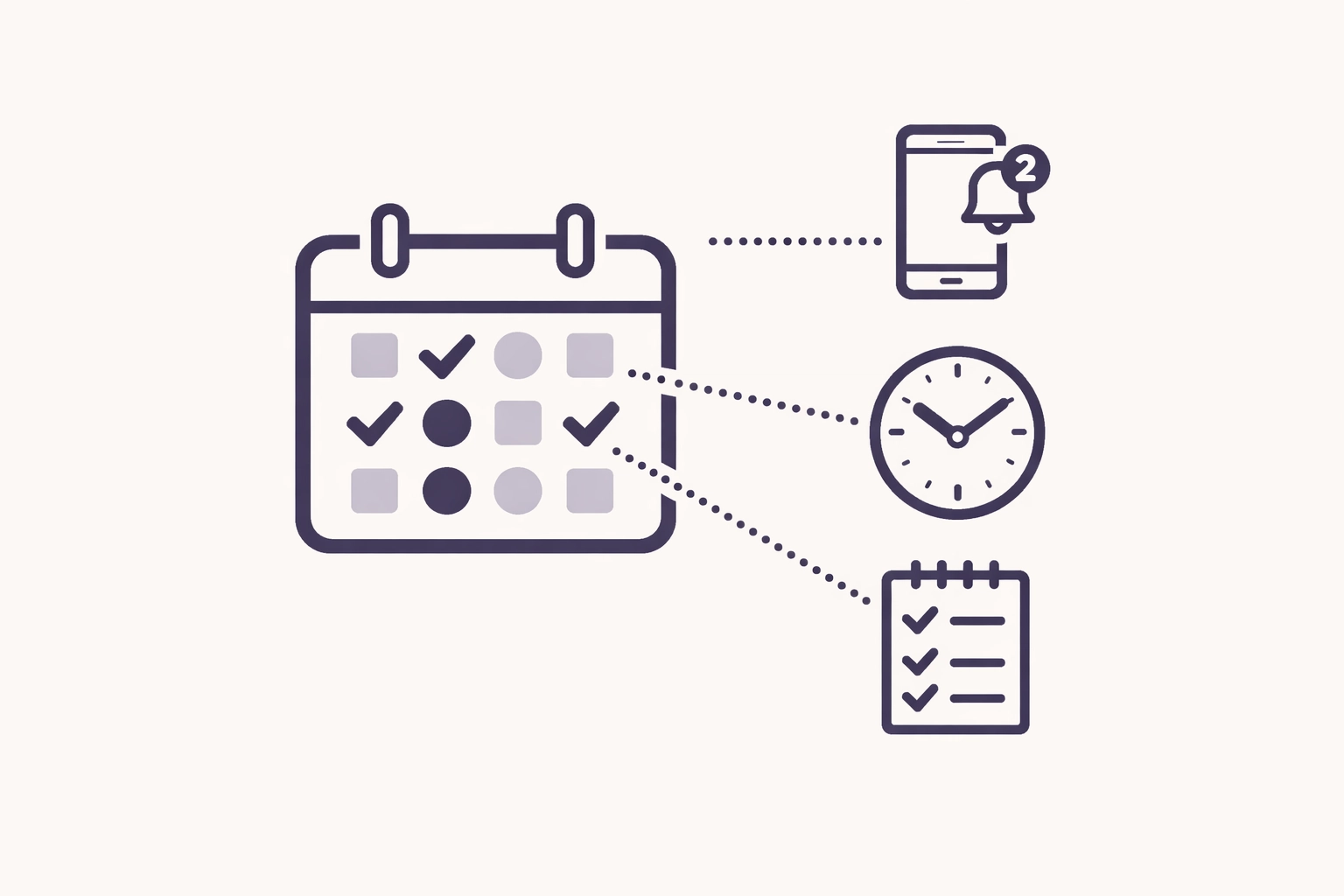
Court dates, attorney meetings, check-in appointments. Use your phone calendar. Set multiple reminders.
2. Stay in communication.
Keep your attorney updated. Keep your bondsman updated. Keep your family updated.
3. Follow the rules.
Bond conditions aren't optional. Breaking them = going back to jail.
4. Ask questions.
If something is confusing, ask. There are no dumb questions when your freedom is on the line.
5. Take care of yourself.
This process is emotionally exhausting. Lean on your support system. Consider counseling if needed.
6. Stay employed (if possible).
Courts look favorably on defendants who maintain employment and stability.
How Aftermath Bail Bonds Supports You After Release
Getting someone out of Orient Road Jail or Falkenburg Road Jail in Tampa is just the start. We're here for the entire process.
Here's what we offer:
- 24/7 availability , Questions at 2 AM? We answer.
- No office visit required , Handle everything remotely from home.
- No collateral if qualified , Many clients don't need to put up property or assets.
- Court date reminders , We'll help keep you on track.
- Family-owned, local support , We're not a corporate call center. We're Florida neighbors who care.
Whether you worked with a bondsman in Tampa, a 24-hour bondsman near you, or a bondsman in Daytona Beach FL, the relationship doesn't end at release. We're in this with you.
Need help staying organized? Call us. Need clarification on a bond condition? Call us. Worried about an upcoming court date? Call us.
That's what we're here for.

Frequently Asked Questions
What if I need to travel while out on bail?
You'll need permission from the court. Talk to your attorney about filing a motion to modify bond conditions.
Can bond conditions be changed?
Yes, but only by a judge. Your attorney can request modifications at a hearing.
What happens if I get arrested again while out on bail?
Your original bail will likely be revoked, and you'll remain in custody for both cases.
Do I have to check in with anyone regularly?
It depends on your bond conditions. Some defendants must check in with pretrial services. Others don't.
How long does the whole court process take?
It varies widely. Misdemeanors often resolve in weeks or months. Felonies can take six months to over a year.
Can I get my bail money back?
If you posted cash bail directly with the court (not through a bondsman), you may get it back after the case concludes: minus any fines or fees. If you used a bail bondsman, the premium you paid (usually 10% of the bail amount) is non-refundable.
What if I can't afford an attorney?
You may qualify for a public defender. The judge will assess your financial situation at arraignment.
Ready to Stay on Track?
You've already taken the hardest step by getting your loved one out of jail. Now it's about following through.
Here's what to do next:
👉 Set reminders for all court dates : Don't rely on memory.
👉 Stay in touch with your attorney : They're your guide through this.
👉 Call us if you have questions : Contact Aftermath Bail Bonds 24/7
👉 Check out our FAQ page : More answers here
We're here to help. Whether you needed a bondsman near Orient Road, Falkenburg, or Daytona Beach, we've got your back through the entire process.
Disclaimer
This blog post is for informational purposes only and does not constitute legal advice. Court procedures and timelines vary by jurisdiction and case type. Every defendant's responsibilities depend on specific bond conditions set by the court. If you have questions about your case, consult a licensed criminal defense attorney. Aftermath Bail Bonds provides bail bond services in accordance with Florida state regulations. Contact us directly for questions about your specific situation.